Spinal Stroke Recovery: Finding the Right Rehabilitation Support
A spinal stroke is a rare but serious neurological event that requires urgent emergency care and specialised rehabilitation. With the right team and intensive therapy, meaningful recovery is possible.
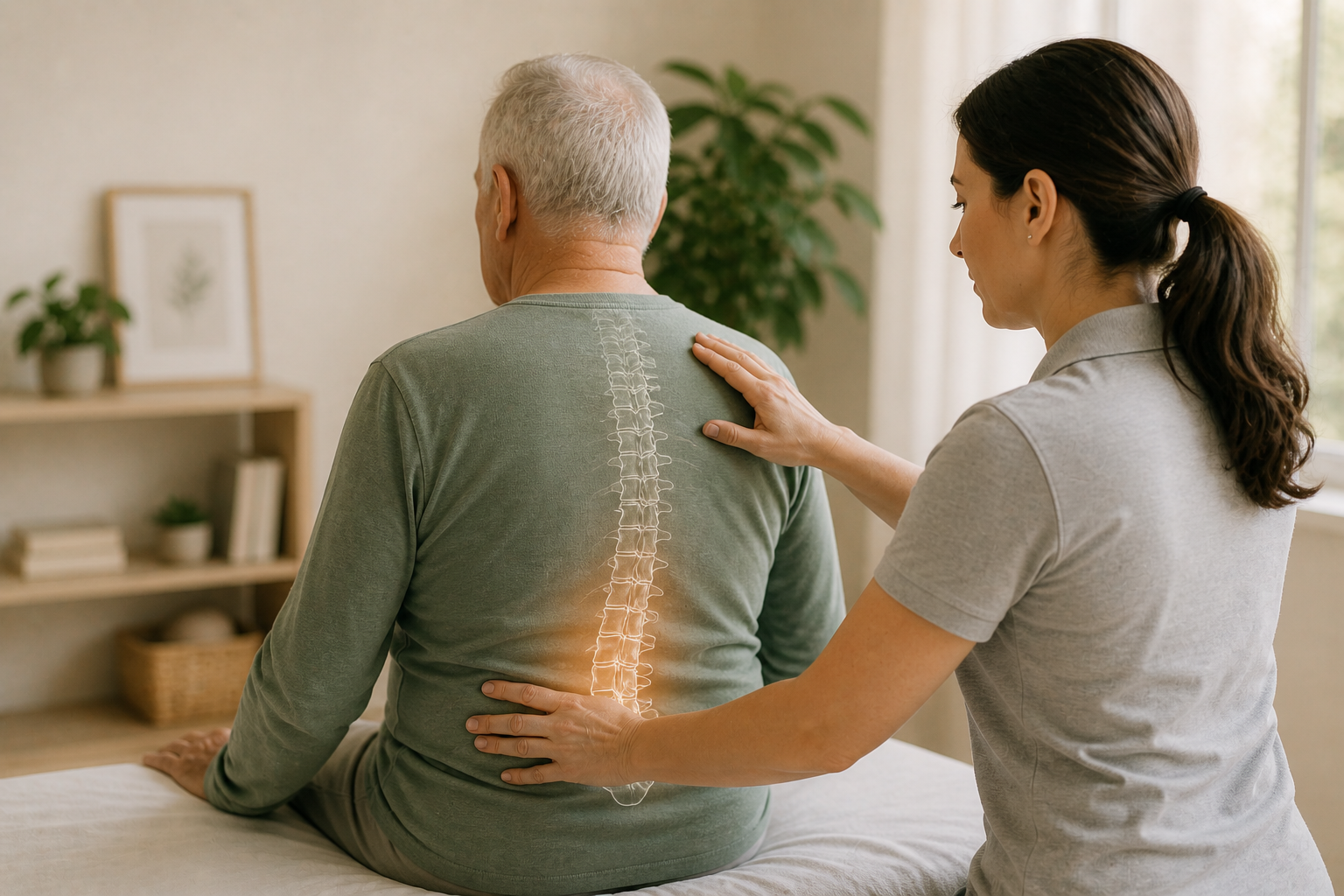
What is a Spinal Stroke?
A spinal stroke, medically known as spinal cord infarction, occurs when blood flow to part of the spinal cord is suddenly blocked. This can happen due to a thrombosis (blood clot), arterial dissection, or other vascular issues. Unlike brain strokes, spinal strokes are relatively uncommon but can have profound effects on mobility, sensation, and function.
The spinal cord carries signals from your brain to control movement and sensation throughout your body. When part of it is damaged by a stroke, the loss of function depends on exactly where the damage occurs - higher up the cord typically affects more of the body, while lower damage may affect mainly the legs and bowel/bladder control.
Why Immediate Treatment is Critical
A spinal stroke is a medical emergency. The first few hours after symptoms appear are crucial. Unlike many conditions that develop gradually, a spinal stroke causes sudden change: sudden paralysis, sudden loss of sensation, or sudden loss of bowel and bladder control. If you experience these symptoms, emergency hospital care is essential.
Early hospital treatment aims to stabilise the spine, manage inflammation, and preserve as much spinal cord function as possible. Rehabilitation begins quickly - often starting in hospital with gentle movement and positioning, and intensifying as you progress.

The Specialists Who Help Most After Spinal Stroke
Neurological Physiotherapist
Rebuilds movement, manages spasticity, prevents secondary complications like pressure wounds, and maximises function in legs and arms. Essential for walking recovery where possible.
Learn more →Occupational Therapist
Helps you adapt daily living tasks - washing, dressing, cooking, and managing household activities. Assesses home and workplace adaptations needed for safe independence.
Learn more →Bowel & Bladder Specialist
Manages neurogenic bowel and bladder - very common after spinal stroke. Develops individualised toileting routines and manages catheterisation if needed.
Learn more →Clinical Neuropsychologist
Supports the emotional and cognitive impact of spinal stroke - processing trauma, managing mood changes, and building resilience for long-term adaptation.
Learn more →Case Manager
Coordinates complex multi-disciplinary care, manages funding applications (NHS CHC, PIP, Attendance Allowance), and ensures nothing falls between the gaps.
Learn more →Counsellor
Provides psychological support for the major life changes following spinal stroke - identity adjustment, coping strategies, and mental health management.
Learn more →What to Expect in the Early Weeks
Your first weeks will likely be in hospital under close medical supervision. The focus is on stabilising your condition, managing inflammation, and preventing complications like blood clots or pressure wounds. Physiotherapy begins immediately, often with gentle movement, positioning to prevent contractures, and breathing exercises if needed.
You'll likely have multiple appointments with different specialists - doctors, physiotherapists, occupational therapists, and nurses. Family involvement is crucial at this stage. Your loved ones will learn how to help you safely, how to manage positioning and movement, and how to support you emotionally through a frightening experience.
Fatigue is extremely common. Your body is healing from a serious injury, and rehabilitation is intense. Rest is not laziness - it's essential for recovery. Your team will balance therapy intensity with adequate rest and sleep.
What to Expect Longer Term
After hospital discharge, you'll move into community rehabilitation - typically outpatient physiotherapy and occupational therapy, often delivered by NHS services or private specialists. This is when you take an increasingly active role in your own recovery. You'll learn home exercise programmes, strategies for managing spasticity, and techniques for adapting to your changed circumstances.
Recovery from spinal stroke can be slow but steady. Most visible progress happens in the first 6-12 months, but improvement can continue for years with consistent effort. Some people regain significant walking ability; others may use a wheelchair but achieve remarkable independence. The goal is always to maximise your function and quality of life, whatever that looks like for you.
Ongoing needs - bowel and bladder management, spasticity management, pressure wound prevention - become part of your daily routine. Finding the right support systems and adapting your home, work, and relationships is an ongoing process.
Questions to Ask a Practitioner
- Do you have experience working with spinal stroke survivors at my level of injury?
- How will you manage my spasticity and prevent muscle contractures?
- What is your approach to bowel and bladder management?
- How will you work with my other therapists to coordinate care?
- What realistic outcomes should I expect, and how will we measure progress?
- What can I do at home to support my own recovery between sessions?
Finding Support in the UK and Australia
In the UK: Emergency spinal stroke care is provided by NHS stroke teams in specialist neurology units. After discharge, community rehabilitation is coordinated through NHS physiotherapy, occupational therapy, and continence services. Many people benefit from ongoing private physiotherapy alongside NHS care. The Spinal Injuries Association and other charitable organisations provide excellent support, advice, and peer networks. Your case manager can help navigate NHS Continuing Healthcare (CHC) and Personal Health Budgets (PHB) if you have complex ongoing needs.
In Australia: Emergency care is provided through state and territory health services in specialist units. If you're eligible for the NDIS, funding can be accessed for ongoing rehabilitation specialists, equipment, and home modifications. Many people use a combination of NDIS-funded specialists, private practitioners, and community programs. State spinal cord injury associations and disability advocacy organisations provide valuable support and resources.
Find a Spinal Stroke Rehabilitation Specialist
Whether you're looking for a physiotherapist, occupational therapist, or case manager, we can help you find the right person.
Start Your SearchBrowse All Practitioners
Frequently Asked Questions
What is a spinal stroke?
A spinal stroke, or spinal cord infarction, occurs when blood flow to part of the spinal cord is suddenly blocked. This can result in sudden loss of sensation, weakness, or paralysis depending on which part of the cord is affected. It requires immediate emergency treatment and is a medical emergency similar to a brain stroke.
What rehabilitation do you need after a spinal stroke?
Most people benefit from a neurological physiotherapist for movement and spasticity management, an occupational therapist for daily living and home adaptation, and a case manager to coordinate care. Additional support from counsellors and psychologists is common given the significant psychological impact. Bowel and bladder management is often a key focus.
How long does recovery take after a spinal stroke?
Recovery varies considerably between individuals and depends on the level and severity of the spinal cord damage. The most critical period is the first few weeks and months after the stroke. Many people experience significant improvement in the first 6-12 months with intensive rehabilitation, but recovery can continue for years with ongoing physiotherapy and consistent practice.
Explore More
Related resources
Practitioners who help
Neuro Physiotherapist · Occupational Therapist · Clinical Psychologist · Neuropsychologist · Case Manager · Counsellor
Related conditions
Brain Injury · Spinal Cord Injury · Stroke · Multiple Sclerosis
Find local support
Helpful guides