Stroke Recovery: Finding the Right Rehabilitation Support
After a stroke, the right rehabilitation team can make an enormous difference to recovery. Most people need support from more than one specialist - and knowing who does what is the first step.
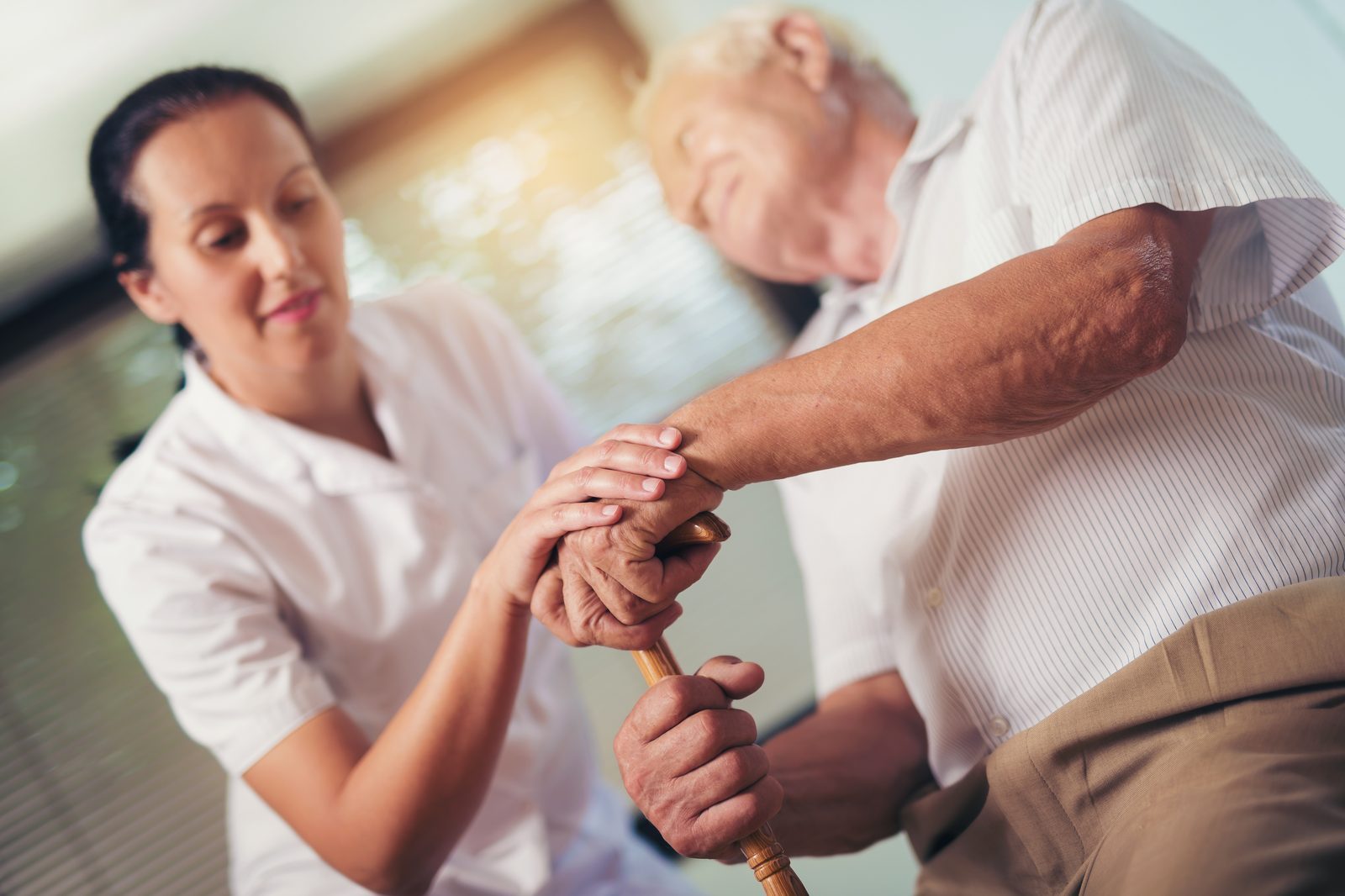
What Happens After a Stroke?
A stroke happens when blood flow to part of the brain is blocked (ischaemic stroke) or a blood vessel bursts (haemorrhagic stroke). Either way, brain cells are damaged, and the effects depend entirely on where the damage occurs.
Some people experience weakness on one side of the body. Others struggle with speech, vision, balance, memory, mood or attention. Many people experience several of these at once. No two strokes are the same, and neither are two recoveries.
Why Rehabilitation Matters
The key thing to understand is this: recovery is possible. Your brain has neuroplasticity - the ability to rewire itself and form new connections. This doesn't happen automatically, but it does happen with the right kind of practice and support.
Research shows that early, intensive rehabilitation significantly improves outcomes. Starting rehab in hospital and continuing consistently in the community gives you the best chance of regaining function - whether that's walking again, speaking more clearly, returning to work, or simply feeling more like yourself.

The Specialists Who Help Most After Stroke
Neurological Physiotherapist
Rebuilds movement, balance, coordination and strength. Essential for walking, arm function, and preventing falls.
Learn more →Occupational Therapist
Helps you return to daily life - dressing, cooking, managing household tasks, and getting around safely at home.
Learn more →Speech & Language Therapist
Supports aphasia, communication difficulties, word-finding problems, and swallowing difficulties - restoring your voice and ability to eat safely.
Learn more →Neuro Massage Therapist
Manages muscle tone, sensory work, and physical discomfort - improving comfort and wellbeing throughout recovery.
Learn more →Clinical Neuropsychologist
Assesses and supports cognitive changes - memory, attention, processing speed, and mood changes that often follow stroke.
Learn more →Case Manager
Coordinates all your care, manages the complexity of multiple appointments, and helps navigate funding and access to services.
Learn more →What to Expect in the Early Weeks
In the first few weeks, you'll be in hospital or rehabilitation unit with your specialist team. Discharge planning starts early - your team will discuss what you'll need at home, what equipment you might use, and what rehab you'll continue in the community.
Rehabilitation is intense but individual. Some people do multiple therapy sessions a day; others do fewer but longer sessions. Most people experience significant fatigue - this is normal after a stroke. Your team will balance intensity with rest.
You'll likely have multiple appointments spread across the week. Family involvement matters enormously - your loved ones will learn how to support you safely at home and reinforce what you're practising in therapy.
What to Expect Longer Term
Most visible progress happens in the first 3–6 months, but recovery continues for years. After hospital discharge, you'll typically move to community rehabilitation - outpatient physiotherapy, occupational therapy, and speech therapy, often delivered by NHS services in the UK or through community health services in Australia.
This is when you become more active in your own recovery. You'll learn self-management strategies, home exercises, and techniques you can use to keep improving. Knowing when to seek more specialist help - if you hit a plateau, develop new symptoms, or want to work toward a specific goal like returning to work or sport - is an important skill.
Questions to Ask a Practitioner
- Have you worked with stroke survivors at a similar stage to me?
- What specific outcome measures will you use to track my progress?
- How will you coordinate with my other therapists?
- What can I expect to practice at home, and how much time should I set aside?
- What would success look like for me at the end of this intervention?
Finding Support in the UK and Australia
In the UK: After a stroke, the NHS stroke team will coordinate your acute care and discharge planning. Community rehabilitation is typically provided by NHS physiotherapy and speech therapy services, sometimes through community health teams. The Stroke Association provides excellent information and support groups. Some people also access private physiotherapy or neuro massage alongside NHS care.
In Australia: State and territory health services provide acute and early rehabilitation. If you're eligible for the NDIS, you can access ongoing rehabilitation funding. Many people use a combination of NDIS-funded specialists, private practitioners, and community programs. State stroke foundations and Brain Foundation Australia provide resources and support.
Find a Stroke Rehabilitation Specialist
Whether you're looking for a physiotherapist, speech therapist, or case manager, we can help you find the right person.
Start Your SearchBrowse All Practitioners
Frequently Asked Questions
What rehabilitation do you need after a stroke?
Most people benefit from a neurological physiotherapist for movement, an occupational therapist for daily living, and a speech therapist if communication is affected. A case manager can coordinate the team. The exact mix depends on what your stroke affected and your goals.
How long does stroke recovery take?
Recovery varies significantly between people. Most visible progress happens in the first 3–6 months, but meaningful improvement can continue for years with the right support and consistent rehabilitation. Some people make the most progress in the first few months; others discover new gains years later. Neuroplasticity means your brain can continue learning and rewiring itself.
What is the most important specialist to see after a stroke?
A neurological physiotherapist is usually the first priority for physical recovery. If communication is affected, a speech and language therapist is equally important. A case manager can help coordinate all care and ensure nothing falls through the gaps. The truth is, all of them matter - it just depends on what your stroke affected.
Explore More
Related resources
Practitioners who help
Neuro Physiotherapist · Occupational Therapist · Speech & Language Therapist · Clinical Psychologist · Neuropsychologist · Neuro Massage Therapist
Related conditions
Find local support
Helpful guides