Neuro Physiotherapist
Specialist movement recovery after stroke, brain injury, MS, Parkinson's and more
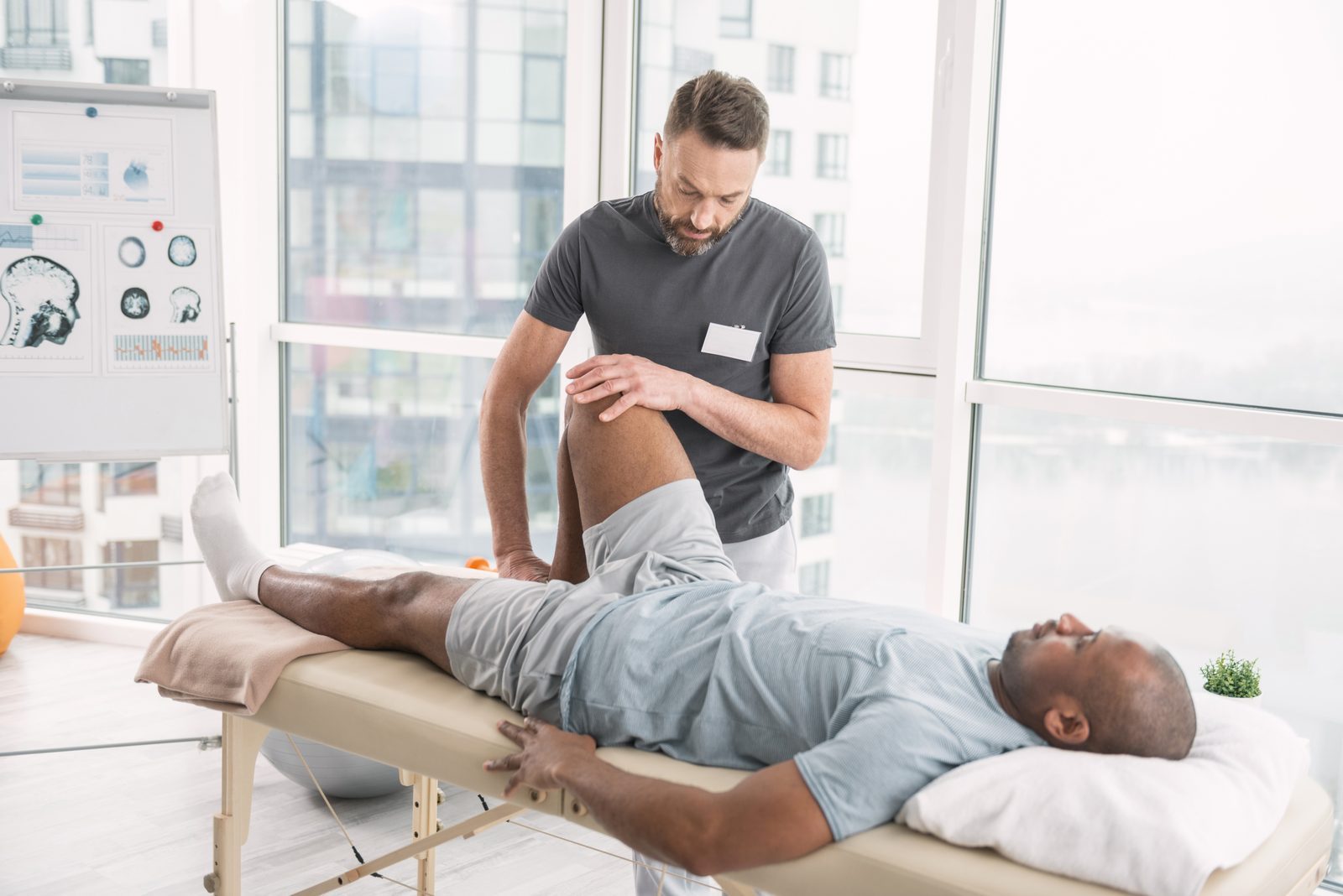
The basics
What is a neuro physiotherapist?
A neuro physiotherapist (often called a neuro physio) is a chartered physiotherapist with specialist training in neurological rehabilitation. They understand how your nervous system controls movement and use that knowledge to help you recover function, rebuild balance, reduce pain, and regain independence after neurological injury or illness.
They're different from a sports physiotherapist or general musculoskeletal (MSK) physio. Where an MSK physio focuses on muscles and joints, a neuro physio focuses on retraining your nervous system itself. They understand neuroplasticity - that remarkable ability of your brain to create new neural pathways and rewire itself, especially in the months after stroke or brain injury. This knowledge shapes everything they do, from the specific movements they teach you to the pace and intensity they use. They know that repetition, task-specific practice, and variability in training help your brain "relearn" how to control your body.
After a stroke, brain injury, or diagnosis of a progressive condition like MS or Parkinson's, your nervous system has been disrupted. Muscles may have become tight or weak, balance may feel impossible, your legs might not move the way they used to, or you might feel disconnected from parts of your own body. A neuro physio helps you make sense of these changes and, more importantly, helps you rebuild. They use techniques including Bobath therapy (focused on functional movement), task-specific training (practicing the movements that matter to you), electrical stimulation, and hydrotherapy to retrain your movement patterns. They're registered with the HCPC (Health and Care Professions Council) and many hold specialist membership with ACPIN (Association of Chartered Physiotherapists in Neurology), the UK's specialist interest group for neuro physio.
You might also see a neuro physio working alongside an MSK physiotherapist or an exercise physiologist. Each brings different expertise. The neuro physio focuses on retraining your movement; an MSK physio helps with secondary pain problems that develop from altered movement patterns; and an exercise physiologist helps build long-term fitness and manage chronic disease. Together, they create a powerful rehabilitation team.
Who benefits
Who might benefit from seeing a neuro physiotherapist?
If you're struggling with movement, balance, coordination, or confidence after a neurological event or diagnosis, a neuro physio can help profoundly. They're essential if you've had a stroke or brain injury and need to relearn movement. They're equally valuable for people living with progressive conditions like MS or Parkinson's, where they help you adapt movement patterns as your condition changes and maintain function and independence for as long as possible. Many people find that the difference between working with a general physio and a neuro specialist is like night and day - the neuro physio understands exactly what's happened to your nervous system and how to work with it, not against it. If balance is a problem, vestibular conditions are affecting you, or movement just doesn't feel right anymore, a neuro physio is who you need.
What to expect
What happens in a session?
Initial Assessment & Goal Setting
Your neuro physio will spend time understanding your medical history, what happened to your nervous system, what matters most to you, and what you want to achieve. They'll assess your movement, balance, strength, coordination, and walking pattern. They might test reflexes, proprioception (your sense of where your body is in space), or muscle tone. This thorough understanding guides everything that follows and ensures treatment is personalised to you.
Individualised Treatment Plan
Your physio will explain what they've found and develop a treatment plan tailored to your goals. This might include hands-on techniques to reduce muscle tightness, specific movement retraining exercises, balance and coordination work, or advice on walking aids and equipment. They'll explain why each element matters and how it contributes to your recovery. You'll have realistic conversations about timescales and what progress looks like.
Hands-On Therapy & Movement Retraining
This is where the real work happens. Your physio uses hands-on techniques, guided movement practice, and repetitive task-specific training to help your nervous system relearn how to move. Sessions are active - you're practising movements, building strength and endurance, and learning new strategies. It might feel physically and mentally demanding, which is exactly right. Your nervous system learns through repetition and challenge, so the work needs to stretch you slightly beyond what's comfortable.
Home Programme & Progress Reviews
Your physio will give you a home exercise programme tailored to your goals. This is crucial - much of your recovery happens between sessions through consistent practice. You'll review your progress regularly, adjust the programme as you improve, and gradually build independence. Your physio celebrates the wins and helps you troubleshoot when progress feels stuck. Over time, the goal is for you to manage your own movement and maintenance independently.
Finding support
How do I find a neuro physiotherapist?
Look for chartered physiotherapists registered with the HCPC and, ideally, holding ACPIN membership. This means they've done the extra training and are committed to neuro specialty. Ask specifically about their experience with your condition - someone who specialises in stroke recovery may work differently than someone who specialises in MS or Parkinson's.
You can access neuro physio through the NHS (ask your GP or neurologist for a referral - waiting times vary depending on your local service), or privately. Some private practitioners work with insurance companies, which may cover part of the cost. Many neuro physios offer home visits, which can be particularly valuable in the early stages of recovery when getting out feels difficult or unsafe. Browse the My Rehab Journey directory to find verified neuro physiotherapists across the UK - filter by location, delivery method, and the specific conditions they specialise in. When you contact someone, discuss your specific situation and goals. A good fit between you and your physio matters enormously - you need someone you trust and feel understood by.
Common Questions
Frequently asked questions
What's the difference between a neuro physio and a regular physiotherapist?
A neuro physiotherapist specialises in how the nervous system controls movement and has advanced training in neurological rehabilitation. Regular physios often focus on muscles and joints. Neuro physios understand neuroplasticity (the brain's ability to rewire itself) and use specialist techniques like Bobath therapy and task-specific training to retrain movement after stroke, brain injury, or progressive conditions.
Do I need a referral to see a neuro physiotherapist?
Not always. If you're accessing a neuro physio privately, you can often self-refer. For NHS services, you'll typically need a GP or consultant referral. Some neuro physios work with insurance companies, so it's worth asking about their options when you contact them.
How long are sessions and how many will I need?
Sessions are typically 45-60 minutes. The number of sessions depends on your condition, your goals, and how quickly you progress. Some people benefit from intensive support early on (2-3 times weekly), then gradually reduce. Your physio will discuss a realistic plan with you based on your needs and recovery trajectory.
Can I have both a neuro physio and an MSK physio?
Yes, absolutely. After a stroke or brain injury, some people develop secondary musculoskeletal problems like shoulder pain or back pain from altered movement patterns. An MSK physio addresses these while your neuro physio focuses on retraining movement. They work well together as part of your overall rehabilitation team.
How do I know if my neuro physio is qualified?
Look for registration with the HCPC (Health and Care Professions Council) and ideally membership with ACPIN (Association of Chartered Physiotherapists in Neurology). The My Rehab Journey directory verifies all practitioners, so all listed neuro physios meet these professional standards.
Explore More
Related resources
Related practitioners
Occupational Therapist · Exercise Physiologist · MSK Physiotherapist · Rehabilitation Assistant
Conditions we work with
Stroke · Brain Injury · Multiple Sclerosis · Parkinson's · FND
Find local support
Helpful guides
Ready to find a neuro physiotherapist near you?
Browse verified neuro physiotherapists across the UK - filter by location, delivery method, and specialist experience.