Support for Children with Neurological Conditions
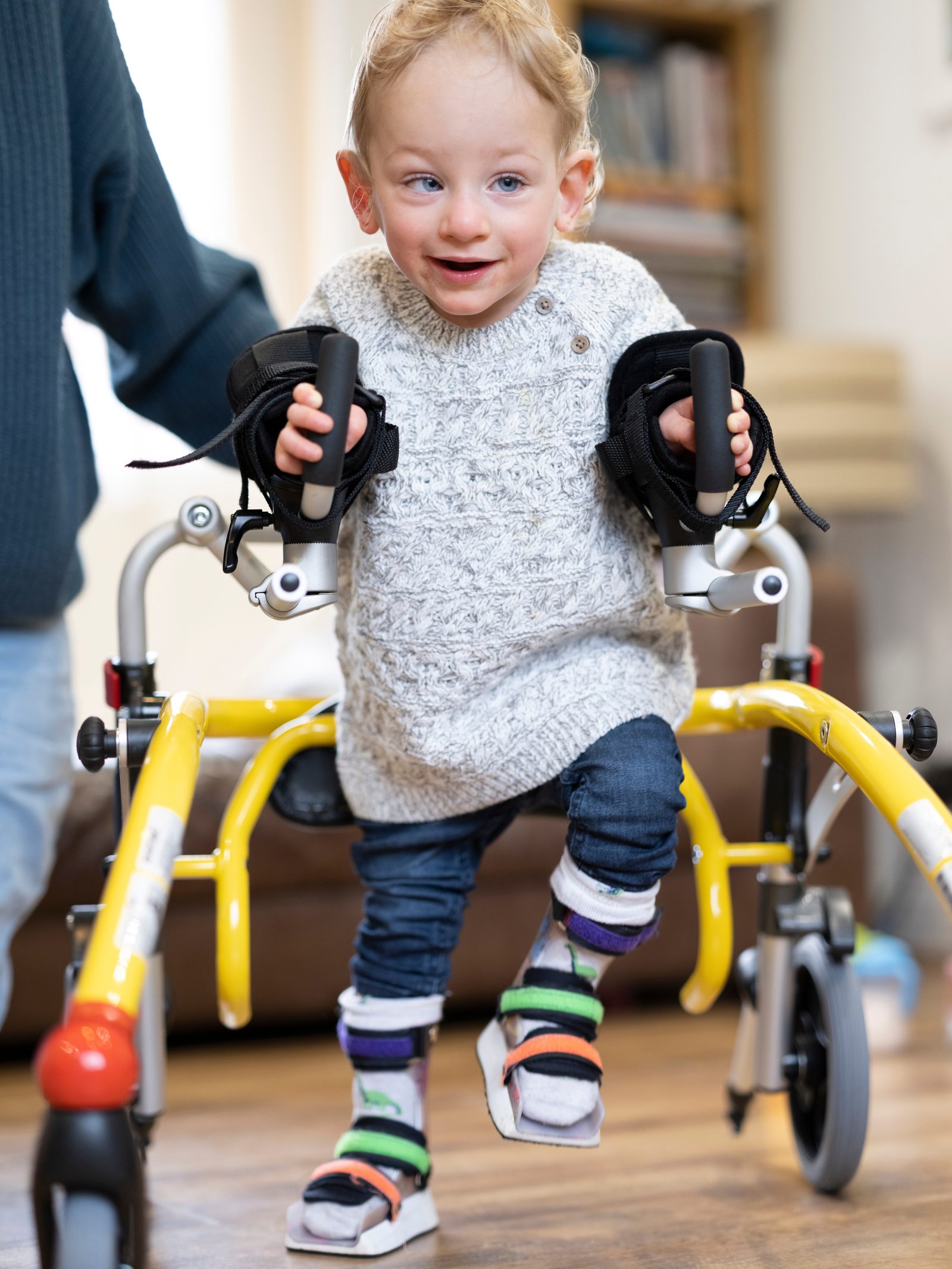
Children with neurological conditions - cerebral palsy, acquired brain injury, epilepsy, developmental conditions - benefit from specialist rehabilitation that supports their development, independence, and participation in childhood activities. The right team of physiotherapists, occupational therapists, speech therapists, and family support makes an enormous difference.
Neurological Conditions in Children
Children can be born with or develop neurological conditions at any age. Cerebral palsy affects movement and posture, often from before or around birth. Acquired brain injury results from accident, illness, or infection. Epilepsy involves seizures. Developmental conditions include autism spectrum disorder, ADHD, and global developmental delay. Each child's experience is unique.
What matters is that children with neurological conditions can grow, learn, and develop - often far more than initial prognoses suggest. With intensive, appropriately tailored support, children achieve skills, independence, and participation that seemed impossible. Family involvement is central - parents and siblings play crucial roles in supporting development and learning.
Why Early Intervention and Specialist Support Matter
Children's brains are highly plastic - capable of learning and reorganising even after injury or in the presence of developmental conditions. Early, intensive intervention capitalises on this plasticity. Research shows that children who access specialist support early, consistently, and in high doses make better progress than those who don't. The goal is to support not just current function, but development - helping children learn new skills, gain independence, and participate in activities that matter to them and their families.
Specialist paediatric practitioners understand child development. They work within a developmental context, involve families in therapy and learning, use play-based approaches, and consider long-term outcomes. They're trained to support children's unique learning needs and adapt therapy as children grow and change.
Specialists Who Support Children with Neurological Conditions
Paediatric Physiotherapist
Supports movement, balance, strength, and motor development. Works toward goals like walking, sitting, or independent play.
Learn more →Paediatric Occupational Therapist
Supports daily living skills, fine motor control, play, and participation in school and home life. Focuses on independence and engagement.
Learn more →Paediatric Speech & Language Therapist
Supports speech development, communication (including alternative communication), feeding, and swallowing. Enables children to express themselves.
Learn more →Paediatric Neuropsychologist
Assesses cognitive development, learning, and emotional adjustment. Supports children with developmental delays or cognitive challenges.
Learn more →Music Therapist (Paediatric)
Uses music therapeutically to support development, communication, mood, and engagement. Often used for children with autism or global development delay.
Learn more →Case Manager
Coordinates specialist care, manages funding (including NDIS), connects families with services, and ensures nothing falls through the cracks.
Learn more →How Therapy is Delivered to Children
Effective paediatric therapy involves multiple elements working together. Intensive, focused practice (often several times a week) supports skill development and brain rewiring. Therapy often happens in natural environments - at home, at school, during play - where learning directly applies to the child's real life. Family involvement is crucial; parents and siblings learn strategies and become therapists themselves, extending intensive practice throughout the day. Play and engagement are central; learning through enjoyable activities is more effective and meaningful than formal drills.
Early intervention services (birth to age 3) are often home-based or early education focused. School-aged children may receive therapy at school, in clinic settings, or at home. Intensive, coordinated periods of therapy (particularly in the first year after brain injury) often produce the best results. The amount of practice a child does - both in formal therapy and at home - is one of the strongest predictors of progress.
Support for Families
Raising a child with a neurological condition is emotionally and practically demanding. Families benefit from case management to coordinate services, counselling to process emotions and adjust to changed expectations, respite care to provide breaks, and support workers to help with practical demands. Many specialists work with whole families, recognising that family wellbeing supports child progress.
Questions to Ask a Paediatric Practitioner
- How much experience do you have with children at my child's age and developmental stage?
- What will you assess and how will we measure progress?
- What are realistic goals for my child?
- How will you involve family in therapy and support us at home?
- What does a typical session involve, and how often should we be doing this?
- How do you work with school and other therapists to coordinate care?
- What support is there for our family, not just our child?
Finding Support in the UK and Australia
In the UK: Early intervention services support children from birth to age 3, usually coordinated through local authority or health services. For school-aged children, educational psychologists, NHS paediatric physiotherapists, speech therapists, and occupational therapists provide support. Some services are based in schools, others accessed through health services or private practice. Many families combine NHS services with private specialists. Charities like Cerebral Palsy Sport and specialist children's centres provide additional resources.
In Australia: Early Intervention services vary by state but typically serve birth to 3-6 years. For school-aged children, disability support services, school support, and private practitioners are options. If eligible, the NDIS funds intensive therapy - many families use NDIS funding to access private paediatric specialists for intensive intervention periods. National disability organisations and state-based services provide information and support for families.
Find Specialist Support for Your Child
Whether you need a physiotherapist, speech therapist, case manager, or multiple specialists, we can help you find the right people.
Start Your SearchBrowse All Practitioners
Frequently Asked Questions
What specialists help children with neurological conditions?
Paediatric physiotherapists, occupational therapists, speech and language therapists, neuropsychologists, and music therapists all work with children. Many have specific paediatric training, understanding children's developmental needs, family involvement, and play-based approaches.
Is early intervention really important?
Yes. Children's brains are highly plastic. Early, intensive intervention capitalises on this plasticity. Children who access specialist support early and consistently often achieve much better outcomes than those who delay or have intermittent support.
How involved do families need to be in therapy?
Heavily. Research shows that family involvement significantly improves outcomes. Specialists coach families to support learning at home, extending practice and therapy into daily life and play. Children make much better progress when therapy happens intensively and in natural environments.
How long will my child need support?
This depends on the condition, severity, and how the child responds to intervention. Some children need support for years; others, with intensive early intervention, make sufficient progress to reduce support. The goal is always to build independence and maximise your child's capabilities - with whatever support is needed to achieve that.
Explore More
Related resources
Practitioners who help
Neuro Physiotherapist · Occupational Therapist · Speech & Language Therapist · Clinical Psychologist · Music Therapist
Related conditions
Find local support
Helpful guides