Cerebral Palsy: Rehabilitation Support at Every Stage of Life
Cerebral palsy is a lifelong condition, but it's not a lifelong journey without change. Support needs evolve through childhood, adolescence, and adulthood - and access to the right therapy at each stage makes enormous difference.
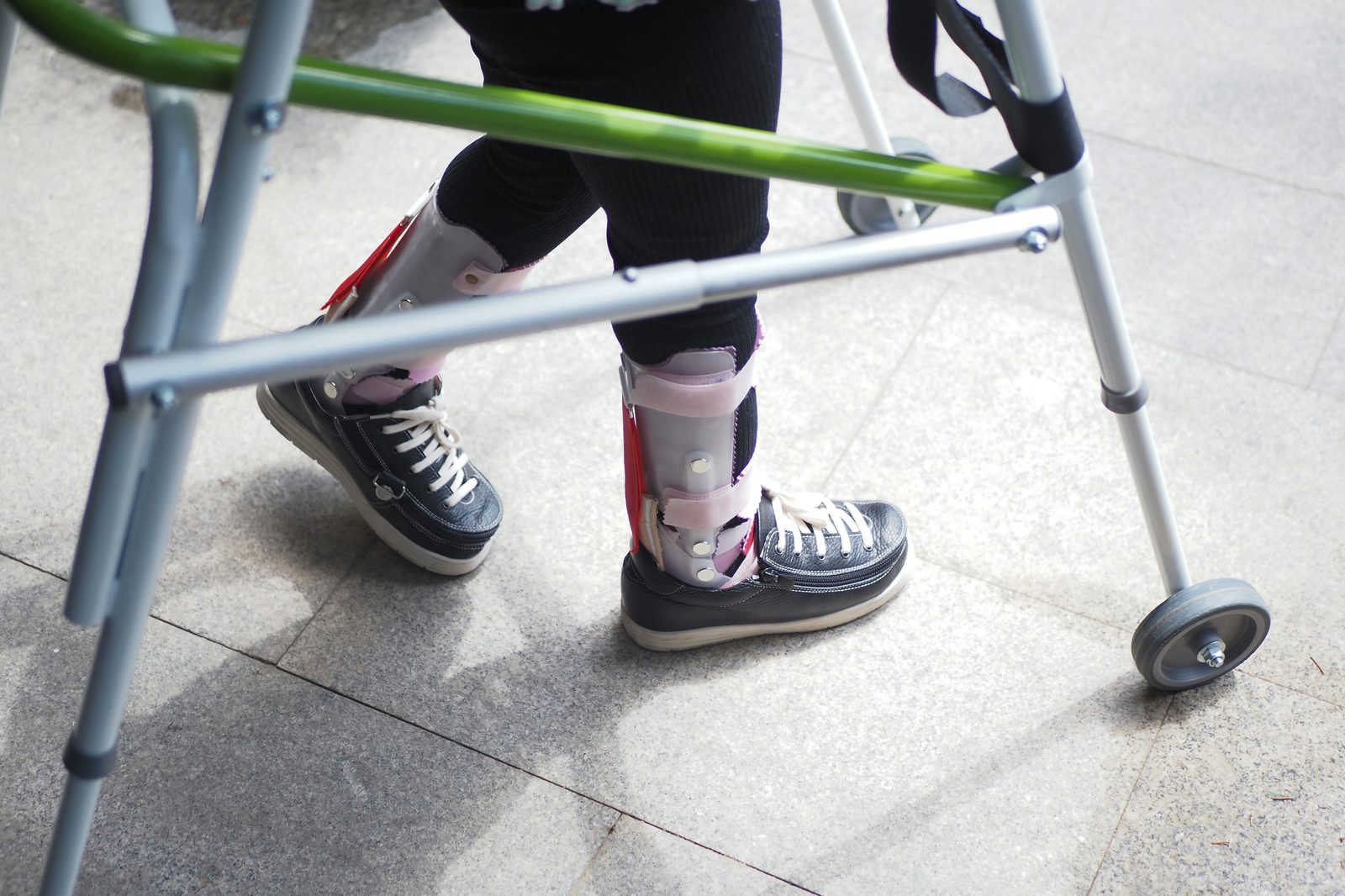
What Is Cerebral Palsy?
Cerebral palsy (CP) is acquired brain injury that occurs before, during, or shortly after birth - caused by infection, reduced oxygen, prematurity, bleeding, or physical trauma. It primarily affects movement, muscle tone, and coordination, but each person's experience is different.
There are different types: spastic (stiff muscles, most common), dyskinetic (involuntary movements), ataxic (balance and coordination problems), and mixed types. Severity ranges from mild to very significant, and CP can affect just one limb or the whole body. Importantly, cerebral palsy is not progressive - the brain injury doesn't worsen, though secondary conditions can develop.
Why Lifelong Specialist Support Matters
CP needs don't stay the same. A child's needs are different from a teenager's, which are different again from an adult's. The goal shifts from developmental milestones in childhood to independence, education, work, and relationships in adolescence and adulthood.
One critical challenge: the 'cliff edge' when young people transition from paediatric to adult services. Adult services are often harder to access, less coordinated, and structured differently than paediatric care. Staying engaged with therapy and planning ahead for this transition is essential.
The Specialists Who Help
Neurological or Paediatric Physiotherapist
Supports movement, strength, balance, tone management, and mobility across all life stages - from early intervention to adult movement.
Learn more →Occupational Therapist
Supports independence in daily activities, school tasks, work, leisure. Guides adaptations and equipment needs as demands change through life.
Learn more →Speech & Language Therapist
Supports communication (including AAC) and swallowing. Essential for many people with CP to develop communication confidence and independence.
Learn more →Neuro Massage Therapist
Manages tone, provides comfort, supports relaxation and wellbeing - important across the lifespan.
Learn more →Psychologist
Supports emotional wellbeing, identity formation, confidence, coping with limitations, and adjustment through life transitions.
Learn more →Case Manager
Especially valuable at transitions (school leaving, transition to adult services). Coordinates care and helps navigate NDIS or NHS systems.
Learn more →Supporting Children with CP
Early intervention services focus on supporting development and family capacity. Paediatric physiotherapy, occupational therapy, and speech therapy help children develop skills, with therapy often integrated into daily routines and play.
Family-centred care is the gold standard - therapists work with families to embed therapy into daily life, recognising that families are with the child 24 hours a day, not just in clinic sessions. School integration is a priority, with therapists supporting access to mainstream or special education depending on the child's needs.
In Australia, NDIS Early Intervention supports children under 6. In the UK, local services and charities like Scope provide support. The emphasis is on maximizing development and reducing the impact of CP on participation.
CP in Adulthood
Transition to adult services can be challenging. Adult physiotherapy may be harder to access. Employment, relationships, further education, and independence become the focuses. Some people with CP experience fatigue, pain, or increased tone in adulthood - these are real and manageable with specialist input.
Adult services may be less coordinated than paediatric services. Planning ahead - getting a case manager, understanding available services, maintaining therapy - helps maintain function and prevent decline. For some, accessing private therapy alongside NHS or NDIS services bridges gaps.
Supporting adults with CP to live meaningful lives - work, relationships, community participation - is the goal. Therapy supports this, but the person's own goals and choices are central.
Questions to Ask a Practitioner
- Do you have specific training in cerebral palsy and its complexities?
- Can you work with the person's goals and priorities, not just medical outcomes?
- How do you involve family members and carers in therapy planning?
- If working with a child, how will you support transition planning to adult services?
- What outcome measures will you use to track progress and meaning?
Finding Support in the UK and Australia
In the UK: Paediatric services for children with CP are variable by region - some areas have specialist CP teams, others less so. Transition planning to adult services should start at age 14. Scope is an essential resource for information and support. Some people access private therapy alongside NHS services. Adult neurology and physiotherapy services exist but may require self-advocacy to access comprehensively.
In Australia: For children, both public hospital services and NDIS Early Intervention (for under 6s) can fund therapy. School support is available through inclusive education systems. NDIS provides comprehensive funding for therapy and support for eligible people from birth through adulthood. Cerebral Palsy Australia and state organisations provide information and peer support. A case manager experienced with CP can help navigate NDIS planning throughout the lifespan.
Find Cerebral Palsy Support
Whether you're seeking therapy for a child or support as an adult with CP, we'll help you find specialists who understand your needs.
Start Your SearchBrowse All Practitioners
Frequently Asked Questions
What therapies help cerebral palsy?
Physiotherapy for movement and tone, occupational therapy for daily activities and independence, speech therapy for communication (including AAC), and psychological support for wellbeing. The specific mix depends on the type and severity of cerebral palsy and the person's individual goals. Early intervention when possible, and continuous access to therapy throughout life, support the best outcomes.
Does cerebral palsy get worse over time?
Cerebral palsy itself is not progressive - the underlying brain injury does not worsen. However, secondary conditions like spasticity, pain, or fatigue can increase over time without appropriate management and specialist input. Staying engaged with physiotherapy and other support helps prevent complications and maintain function throughout life.
What is AAC for cerebral palsy?
AAC (Augmentative and Alternative Communication) refers to tools and strategies that support communication when speech is limited or absent. For someone with CP, this might include low-tech options (like picture boards) or high-tech options (like speech-generating devices or computer-based systems). A speech and language therapist can assess and provide access to appropriate AAC systems that support the person's communication and confidence.
Explore More
Related resources
Practitioners who help
Neuro Physiotherapist · Occupational Therapist · Speech & Language Therapist · Clinical Psychologist · Aquatic Therapist
Related conditions
Find local support
Helpful guides