Learn Hub / Guide
The Role of Therapeutic Touch in Rehabilitation
Understanding safe, consent-led physical contact to support relaxation, emotional regulation, and wellbeing in rehabilitation.
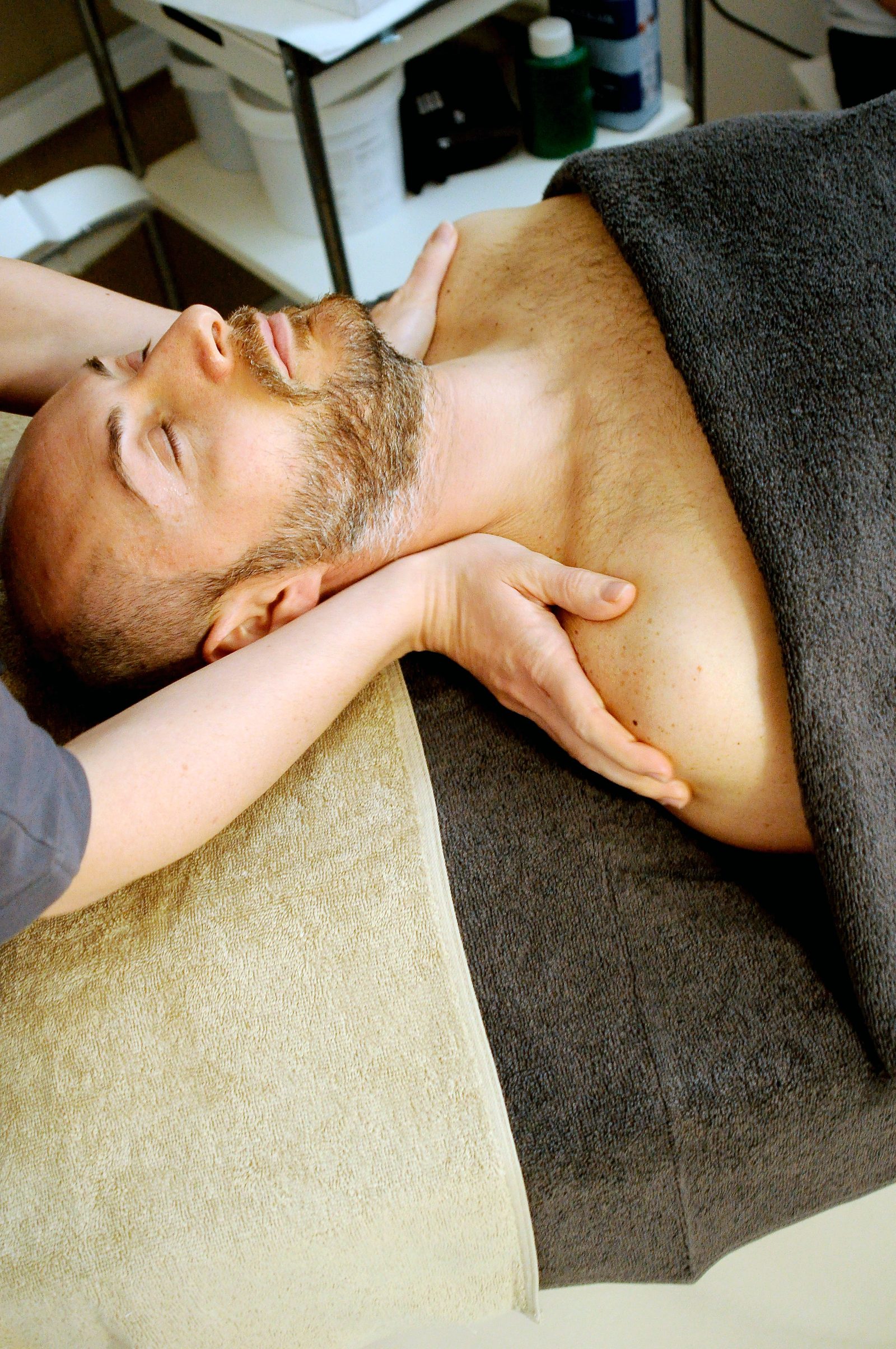
Therapeutic touch is not about doing more. It is about bringing attention back to something simple, human, and already needed.
What Is Therapeutic Touch?
Therapeutic touch refers to safe, structured, and consent-led physical contact used to support relaxation, emotional regulation, and overall wellbeing. Unlike clinical or task-based touch,such as assisting with mobility or personal care,this approach focuses on how the person feels during the contact, not just what is being done.
It may involve simple forms of contact such as hand holding, supported resting positions, and gentle, non-invasive touch. The emphasis is not on technique, but on creating a sense of safety in the body.

Why Touch Matters in Rehabilitation
Touch is one of the first ways humans learn to feel safe. In healthcare, touch is often practical, necessary, and task-focused. But there is a difference between being handled and feeling safe with someone's touch. This difference matters.
When the body feels safe, the nervous system can shift out of a constant alert state,in simple terms: less tension, less anxiety, less "on edge." Recovery tends to be more effective when the body is not under prolonged stress.
Outside of rehabilitation, there is growing awareness of touch deprivation in modern life, highlighting how limited access to safe, positive contact has become.
In my work as a massage therapist and therapeutic touch practitioner, I've seen how differently the body responds when touch is slow, predictable, and genuinely safe. Many people are used to being touched in practical or clinical ways, but not in a way that allows them to fully relax. Even a few minutes can shift how someone feels in their body.
The Gap in Current Care
Rehabilitation is highly effective at improving strength, mobility, and function. But many people still experience internal tension, emotional shutdown, discomfort with physical contact, and a sense of disconnection from their body. This is especially noticeable in individuals who receive frequent care but rarely experience calm, non-task-based touch.
In some cases, this kind of contact may come from family members. However, this is not always available or consistent. Distance, time, changing roles, or the emotional demands of caregiving can all limit how much this kind of support is realistically offered.
Who May Benefit
Therapeutic touch may support individuals in several situations:
- Recovering from neurological injury (e.g. stroke, brain injury)
- Living with chronic conditions
- In hospital or post-surgery recovery
- Experiencing long-term stress or isolation
- Feeling disconnected from their body

What a Session May Involve
Sessions are flexible, client-led, and do not need to be long to be effective. Therapeutic touch is not always a full session. It can be a few minutes of still, safe contact, a pause within a massage, or a short moment of grounding during care.
A typical approach may include starting with minimal or no touch, building comfort gradually, and adjusting continuously based on the client's response.
In the context of rehabilitation, this kind of approach can also support something that is often reduced over time: a sense of autonomy. With a clear focus on consent and pacing, clients may begin to recognise what feels comfortable, what doesn't, and how to communicate that more clearly.
Example from practice: In my work with a young client with hemiplegia, sessions were approached gradually, with a strong focus on consent, communication, and pacing. Over time, he became more at ease with physical contact and more relaxed in his body.
Safety and Boundaries
This work is strictly professional and non-sexual. Key principles include:
- Clear consent before any contact
- The client is and should always feel in control
- No expectation of reciprocity
- Respect for personal boundaries at all times

How It Complements Rehabilitation
Therapeutic touch does not replace physiotherapy, occupational therapy, or medical care. It supports them by helping the body settle, feel safer, and become more receptive. Even brief moments of the right kind of touch can make other therapies feel more accessible.
Final Thoughts
Modern healthcare is highly skilled at treating the body. But feeling safe in the body is a different experience, and one that is often overlooked. Therapeutic touch is not about doing more. It is about bringing attention back to something simple, human, and already needed.

Looking for a Therapeutic Touch Practitioner?
Our directory connects you with experienced practitioners who can support your rehabilitation journey with safe, consent-led therapeutic contact.
Explore More
Related resources
Practitioners
Conditions
Other guides