Amputee Rehabilitation
Find specialist support to help you adapt, recover, and rebuild independence after limb loss.
Understanding Life After Amputation
Amputation can result from trauma, vascular disease, diabetes complications, infection, or cancer. Whatever the cause, recovery involves more than just physical healing. You'll navigate prosthetic training, pain management, psychological adjustment, and learning to live your life in a new way.
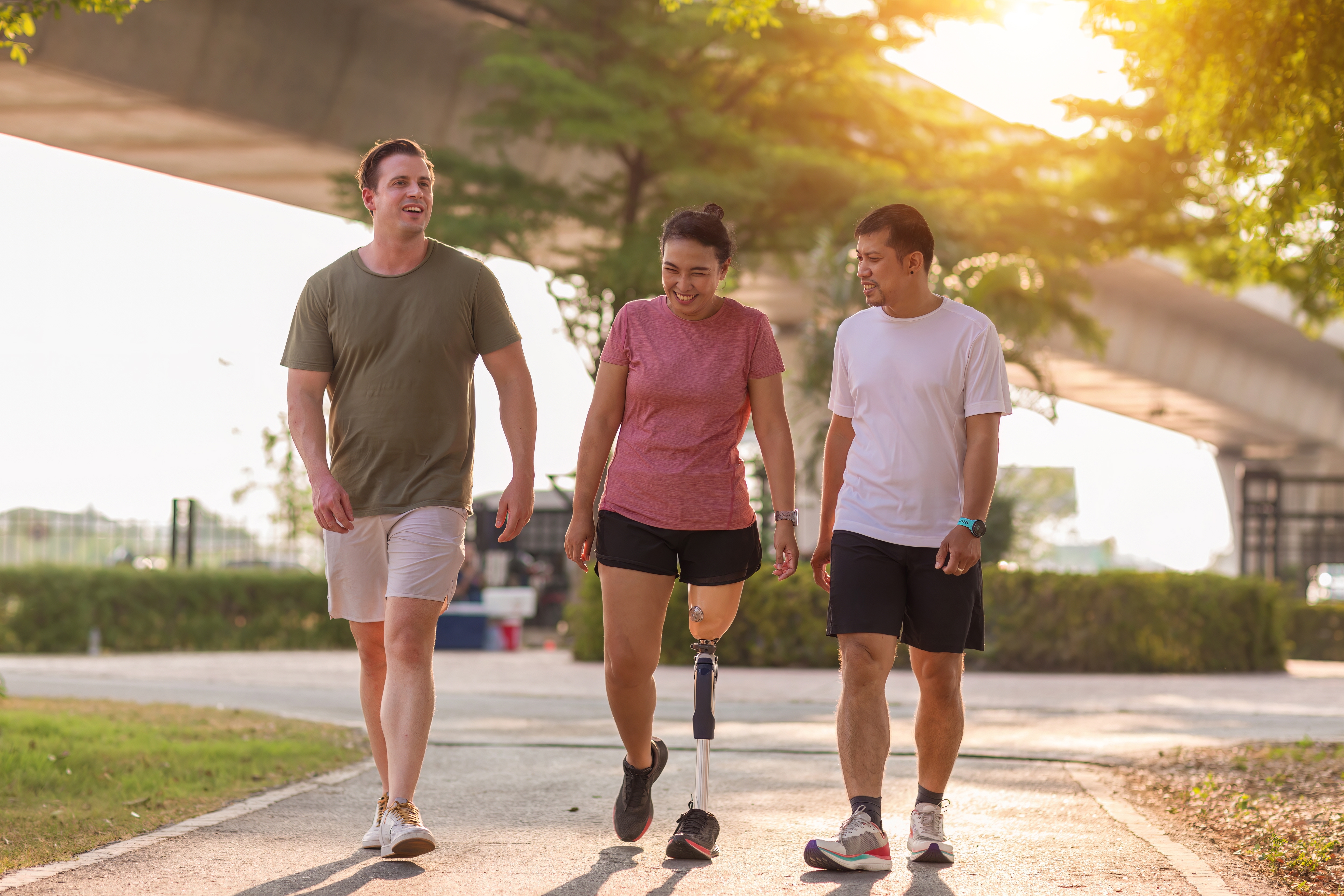
No two experiences are the same. Some people use prosthetics to walk; others prefer other mobility aids. Some return to their previous activities; others discover new ones. The rehabilitation team's role is to support your goals - whatever they are.
Who Can Help?
MSK/Neuro Physiotherapist
Rebuilds mobility, strength, balance, and gait. Essential for learning to use a prosthetic safely or managing alternative mobility.
Learn more →Prosthetist
Fits, adjusts, and trains you in using your prosthetic. Works closely with your physio to ensure the prosthetic supports your goals.
Learn more →Occupational Therapist
Helps you adapt daily activities - dressing, cooking, self-care - and modifies your home for safe, independent living.
Learn more →Clinical Psychologist
Supports emotional adjustment, phantom limb pain management, and body image concerns. Your mental health matters as much as physical recovery.
Learn more →Rehabilitation Case Manager
Coordinates your entire team, manages appointments, navigates funding, and ensures nothing falls through the gaps.
Learn more →Exercise Physiologist
Develops fitness and functional training programs tailored to your prosthetic use and activities you want to return to.
Learn more →Common Concerns We Can Help With
- Phantom limb pain and sensations
- Prosthetic fitting, adjustment, and training
- Returning to work after amputation
- Driving after amputation
- Sport, recreation, and staying active
- Home adaptations and accessibility
- Mental health and emotional adjustment
- Stump care and skin health
Frequently Asked Questions
Will I get a prosthetic limb?
Most people are offered prosthetic assessment, but not everyone will use a prosthetic long-term. Some people find prosthetics useful for walking or activities; others prefer other mobility aids. Your prosthetist and physiotherapist will help you explore what works best for your goals and lifestyle.
How long does rehabilitation take after amputation?
Rehabilitation is ongoing. Initial stump healing and prosthetic training typically take 3-6 months, but many people continue to improve their mobility, strength, and confidence for years. The timeline depends on the level of amputation, your age, fitness, and psychological adjustment.
Can I return to sport after amputation?
Yes. Many amputees return to sport and recreation with the right support. Specialist exercise physiologists and prosthetists can help you adapt activities - from wheelchair sports to prosthetic-assisted running. Your goals matter, and the team should support them.
Find an Amputee Rehabilitation Specialist Near You
Browse SpecialistsExplore More
Related resources
Practitioners who help
Neuro Physiotherapist · Occupational Therapist · Counsellor · Rehabilitation Assistant
Related conditions
Find local support
Helpful guides